Myth 1: "EVs Don't Have Enough Range for Real Life"
Reality: The average household drives around 36km per day; the average American drives 50km. Every mainstream EV sold in 2026 has a real-world range of at least 350km — most exceed 450km. Range anxiety is largely a psychological barrier based on early-generation EVs that genuinely did have limited range. Today's vehicles have largely solved this problem for 95% of everyday driving scenarios.
Long-distance road trips do require more planning than with a petrol car, but the fast-charging network has expanded dramatically. In most major markets, you can travel between cities without range concern — it just requires a 20–30 minute charging stop every 300–400km.
Myth 2: "Charging Takes Too Long"
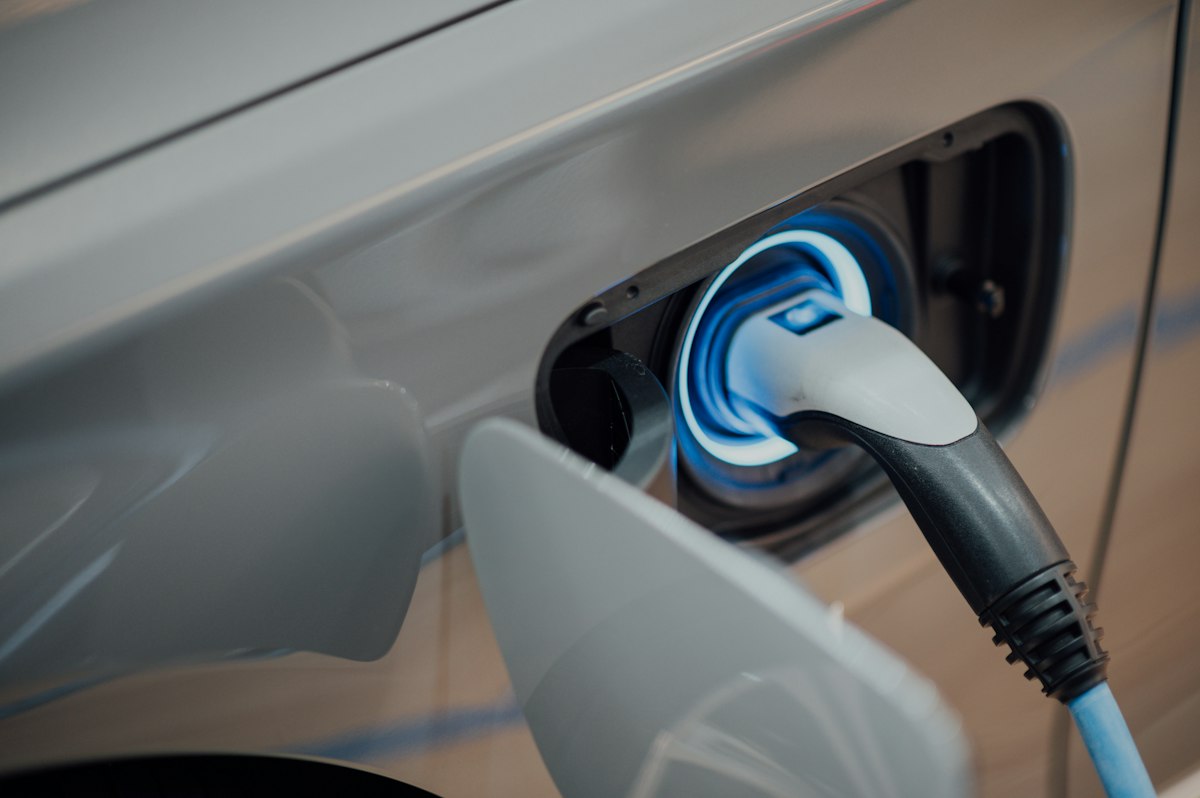
Reality: Home charging is the paradigm shift most petrol-car drivers miss. You plug in at home every night and wake up with a full charge — just like your phone. For 90%+ of days, you never visit a charging station at all. The 20 minutes you spend waiting at a petrol station every week? You spend zero minutes at charging stations on most days.
When you do need fast public charging, modern DC fast chargers add 200km of range in 15–25 minutes. It's not instant like petrol, but it's rarely the problem people expect it to be in practice.
Myth 3: "EVs Are Too Expensive"
Reality: Purchase price parity with equivalent petrol vehicles is happening now. The BYD Atto 3, Seal, and several MG models now compete directly with petrol equivalents on sticker price. When you factor in fuel savings of $2,000–$3,000/year and significantly lower servicing costs (no oil changes, fewer brake replacements due to regenerative braking, no transmission service), the total cost of ownership often favours EVs over a 5-year period even at today's prices.
Myth 4: "The Battery Will Need Replacing and Cost a Fortune"
Reality: Real-world data from Tesla, Nissan Leaf, and other high-volume EVs consistently shows batteries retaining 85–90% capacity after 100,000–150,000km. Battery technology has improved significantly with each generation. Most manufacturers warranty the battery for 8 years or 160,000km to at least 70% capacity. Battery replacement before warranty expiry is rare; after warranty, prices have dropped significantly as the technology matures.
Myth 5: "EVs Are Actually Worse for the Environment Because of Mining"
Reality: This argument requires cherry-picking data. Full lifecycle analyses — accounting for battery manufacturing, electricity generation, and vehicle use — consistently show EVs produce 50–70% fewer lifetime emissions than equivalent petrol vehicles in most electricity grids. In grids with high renewable penetration (like sunny southern regions or Norway), the advantage exceeds 80%. As grids get cleaner over time, EVs get cleaner automatically. A petrol car's emissions are locked in for its lifetime.
The mining impact of batteries is real and the industry must continue improving. But it's substantially smaller than a lifetime of burning fossil fuels.
Myth 6: "There Are No Charging Stations Where I Need to Go"
Reality: Charging networks have expanded rapidly. in many markets, the national charging networks, regional fast charging networks, Tesla Supercharger, and BP Pulse networks now cover all major highways. The US has seen billions invested in charging infrastructure since the Inflation Reduction Act. In Europe, the network is already mature.
Is coverage perfect? No. Rural and remote areas still have gaps. But for the vast majority of people in urban or suburban areas and drive on major roads, the charging network is functionally adequate today.
Myth 7: "EVs Don't Work in Cold Weather"
Reality: Cold weather does reduce EV range — typically 15–30% in genuinely cold conditions (below -10°C). This is real and worth planning for if you live in a cold climate. However, petrol engines also perform less efficiently in cold weather, and EVs have advantages in cold conditions that are rarely mentioned: no warming up time required, cabin heats faster with a heat pump, and battery pre-conditioning while plugged in ensures optimal performance before you depart.
The Bottom Line
Most EV myths are based on genuinely valid concerns from 2015–2020 that have since been addressed. The technology has improved faster than public perception has updated. For most drivers in 2026, an EV is a practical, financially sound choice — and the myths holding people back are doing them a disservice. For those considering the switch, our complete buyer's guide helps you choose the right model for your needs, while our road trip planning guide addresses long-distance travel concerns.