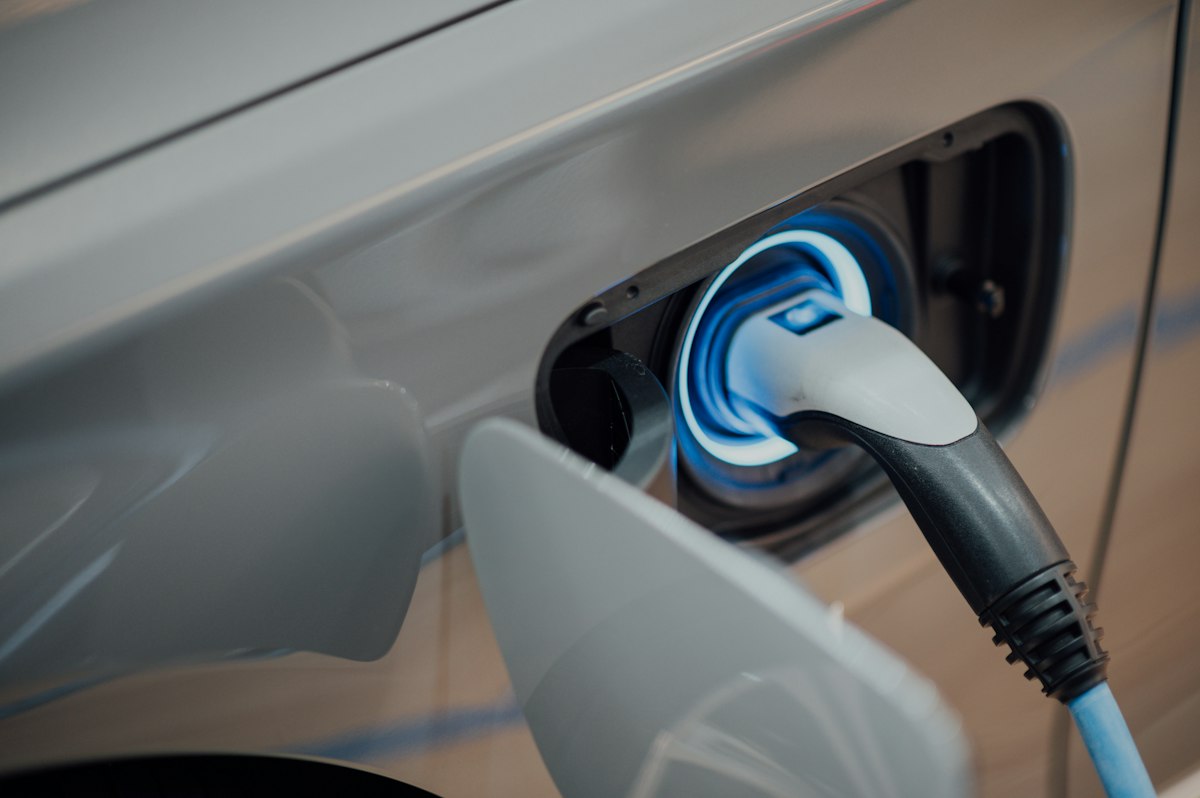
EV Road Trips in 2026: Better Than You Think
Road tripping in an EV in 2026 is genuinely excellent — if you know how to plan. The charging network has expanded dramatically, fast chargers are faster than ever, and modern EVs have the range to make most local roads trip legs comfortable without anxiety. The experience is different from petrol road trips, not worse.
Planning Your Route
Charging Network Apps
The essential tools for EV road trip planning in most markets:
- PlugShare — Comprehensive map of all charging networks, with real-time status and user check-ins confirming charger availability
- regional fast charging networks app — the largest fast charging network, essential for non-Tesla drivers
- national charging networks app — Growing network of ultra-fast chargers on key interstate routes
- Tesla navigation — For Tesla owners, the in-car navigation automatically routes via Superchargers and pre-conditions the battery for arrival
- ABRP (A Better Route Planner) — Third-party route planner that accounts for your specific vehicle, real-world conditions, and charging stops
The 80/20 Rule
Plan your charging stops to arrive at around 20% and depart at around 80%. Lithium batteries charge fastest between 20–80% and slowest approaching 100% (the taper). For road trips, stopping more frequently for shorter charges is often faster than waiting for a full charge: two 20-minute stops often beat one 40-minute stop.
Leg Length Planning
A conservative planning approach: use 80% of your rated range as your maximum leg length in ideal conditions, then reduce further for:
- Highway speeds above 110km/h (significant efficiency reduction)
- Hot weather with air conditioning running
- Cold weather (below 10°C)
- Carrying heavy loads or towing
- Significant elevation gain
A Tesla Model Y Long Range rated at 530km might practically plan for 350–400km legs at 110km/h with air conditioning.
At the Charger: Making the Most of Charging Stops
The mindset shift for EV road trips: charging stops are built into the journey, not interruptions to it. 20–30 minutes at a fast charger is time to use the bathroom, grab food, walk around, and check in — not wasted time.
Practical tips:
- Pre-condition the battery — Navigate to the charger before arrival; the car warms/cools the battery to optimal charging temperature
- Charge to 80%, not 100% — Unless the next leg specifically requires more, stopping at 80% keeps you moving faster
- Have backup options — Always know the next charger along your route in case your planned stop is occupied or faulty
- Check charger status — Use PlugShare to verify chargers are working before committing to a leg
Key local roads Trip Routes
a major 870km interstate route
Well-served by Tesla Superchargers, national charging networks, and regional fast charging networks along the the main interstate highway. Typical approach: charge in a midpoint city and a border city. Total charging time approximately 45–60 minutes added to the 9-hour drive. Entirely manageable.
a major 920km interstate route
The the coastal highway and the inland highway route routes both have adequate charging. Stop at a coastal city and/or the northern coastal area area. Charge options have improved significantly since 2023.
a major 730km interstate route
The the western highway route route has chargers at a regional city, a town, and the border region. The the coastal route coastal route has fewer options — check carefully before departing.
a 280km scenic regional route
Short enough for most long-range EVs in a single leg. Excellent charging at the destination. Increasingly popular EV destination.
Tips for a Great EV Road Trip
- Download offline maps before departing — charging areas sometimes have poor signal
- Bring a level 2 charging cable (Type 2) for destination charging at holiday parks and some hotels
- Book accommodation with EV charging where possible — increasingly available
- Slow down on highways: driving at 100km/h vs 130km/h increases range by 20–30%
- Use regenerative braking mode on descents to recover energy
- Pre-cool or pre-heat the cabin while plugged in before departure
- Consider bringing a portable power station for camping or emergency backup power
The Verdict
EV road trips in 2026 require more planning than petrol equivalents but are entirely practical on all major local routes. The experience of arriving at your destination with costs dramatically lower than petrol — and zero emissions — makes the extra planning worthwhile. The charging network is still expanding rapidly, and what's adequate in 2026 will be excellent by 2028. Before you hit the road, make sure you understand how to maximize your EV's battery life and consider reviewing our complete buyer's guide to the best electric vehicles for 2026 if you're still shopping for the perfect road trip EV.