
The battery size that actually fits your usage and solar, and whether it pays off.
A battery's job is to store solar you'd otherwise export cheaply and use it in the evening instead of buying from the grid. So the useful size is the smaller of two things: how much you use after sunset, and how much spare solar you have to fill it. If you want blackout backup, we make sure the battery covers your essential load for the hours you choose. The result is rounded up to a common battery size.
Under the federal Cheaper Home Batteries Program, the discount is tiered by size from 1 May 2026: the first 14 kWh gets the full rate, 14–28 kWh gets 60% and 28–50 kWh gets 15% (Clean Energy Regulator). The rate also steps down every six months, so the same battery gets a smaller rebate in 2027. For most homes, a battery of about 10–14 kWh is where the rebate does the most work.
It depends on the gap between what you pay for power and what you're paid to export it, and on battery prices after rebates. If the payback comes out longer than the warranty (often 10 years), a battery is more about backup and independence than savings.
These results are estimates for general information only, not financial advice. Get quotes from accredited installers and check current rebates before deciding.
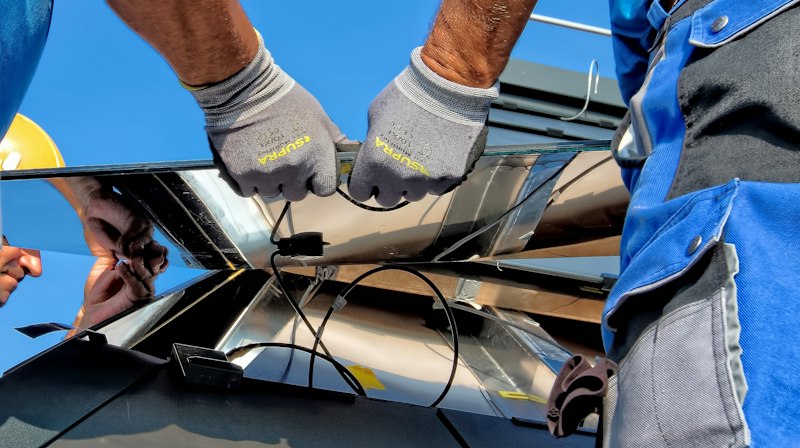
The Powerwall 3 is the benchmark home battery. EcoFlow's Power Kit ecosystem is the most flexible challenger.…
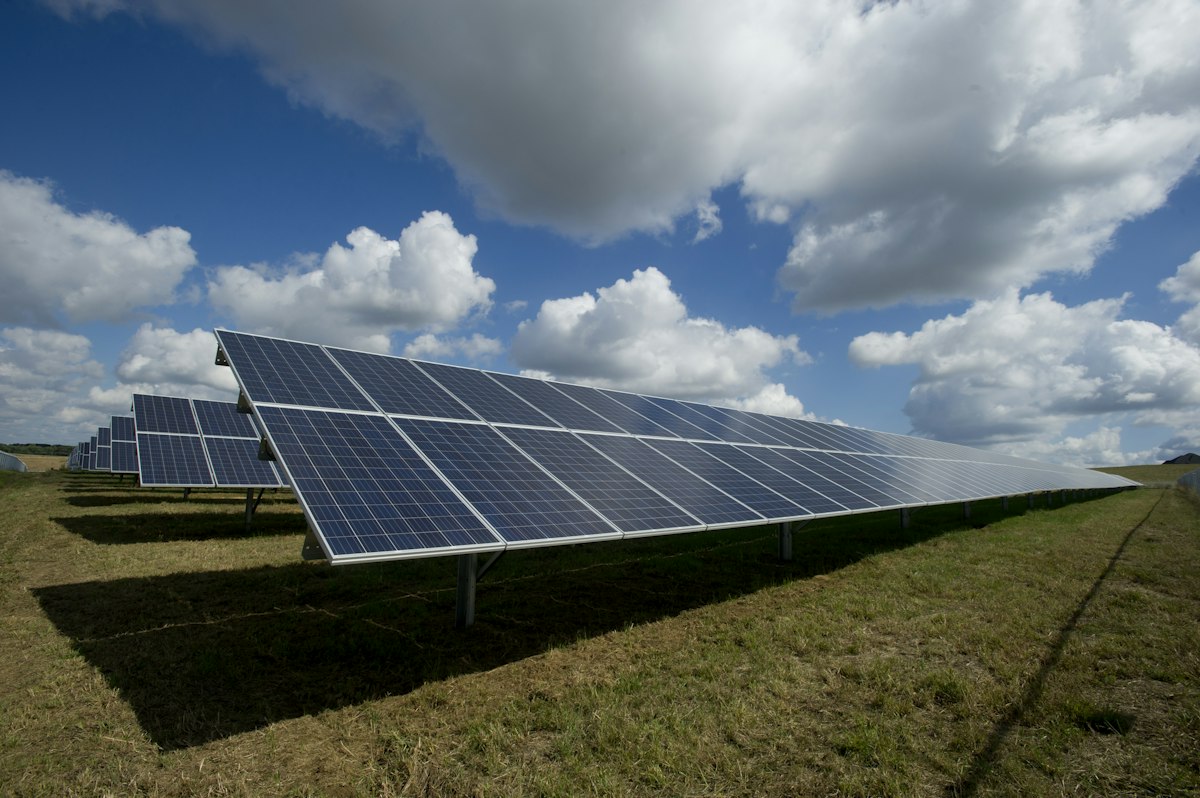
Should you buy an EcoFlow Delta Pro or a Tesla Powerwall? A portable power station or an installed home batte…
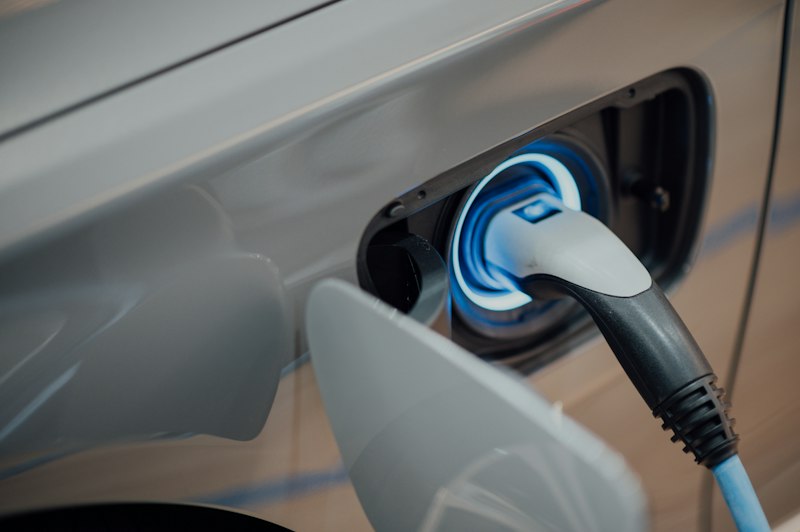
EcoFlow DELTA 2 Max vs Bluetti AC200MAX compared — charging speed, solar input, weight, app quality and which…