Is Off-Grid Solar Right for You?
Going off-grid with solar means disconnecting from the electricity grid entirely and generating, storing, and managing all your own power. It's the ultimate expression of energy independence — and it's more achievable than most people think in 2026, thanks to dramatic falls in battery costs and improvements in solar panel efficiency.
Off-grid solar makes most sense for: rural and remote properties where grid connection costs are prohibitive, eco-conscious homeowners who want complete energy independence, and cabin/holiday home owners who need reliable power without paying for grid extension.
The Core Components of an Off-Grid System
1. Solar Panels
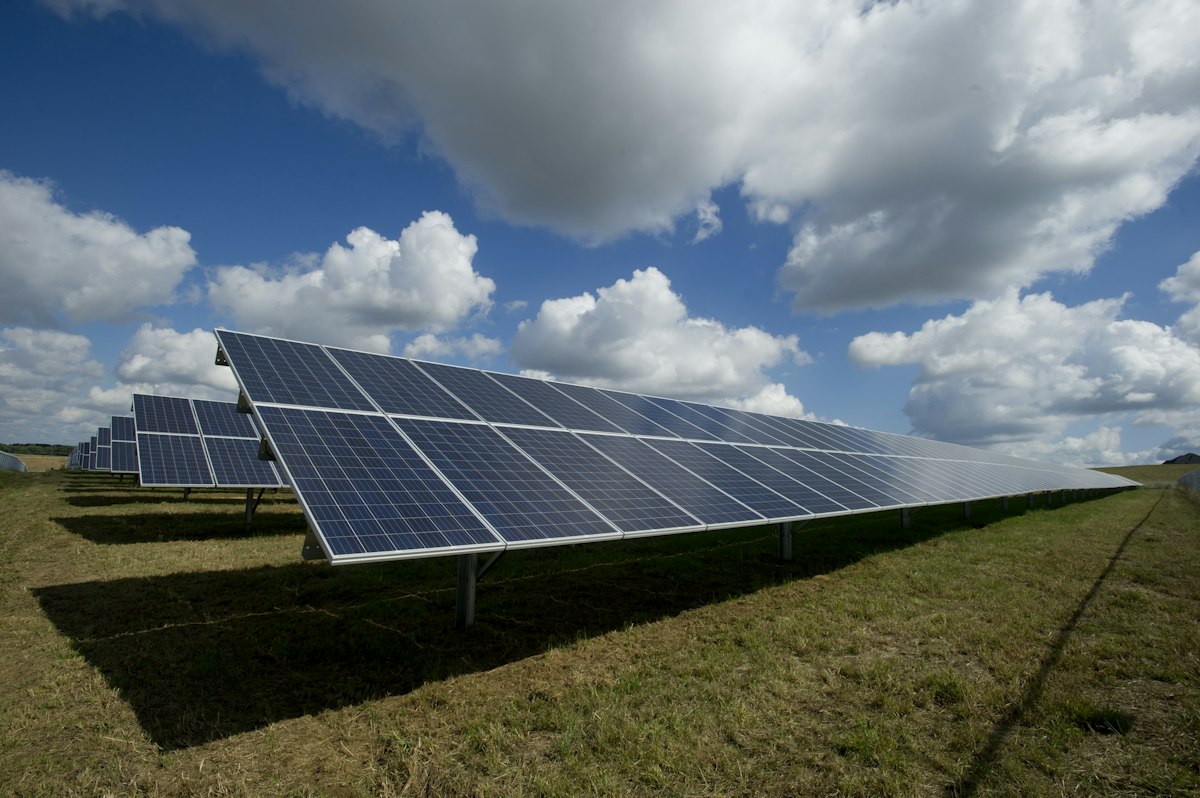
The primary energy source. Size depends on your consumption and location. A typical off-grid home in sunny your market might use 10–20 panels (5–10kW) depending on energy use and battery capacity.
2. Battery Storage
The most expensive component. Stores solar energy for use at night and during cloudy periods. Modern lithium iron phosphate (LFP) batteries are the gold standard — longer cycle life (4,000–6,000 cycles), safer chemistry, and usable depth of discharge up to 90%. Lead-acid is cheaper upfront but significantly more expensive over its lifespan.
3. Inverter/Charger
Converts DC power from panels and batteries into AC power for household use. For off-grid systems, a combined inverter-charger is standard — it handles solar input, battery charging, and AC output in one unit. Leading brands: Victron Energy, SMA, Fronius, Schneider Electric.
4. Charge Controller
Manages the flow of power from solar panels to batteries, preventing overcharging. MPPT (Maximum Power Point Tracking) controllers extract 10–30% more energy than older PWM types and are standard in 2026.
5. Generator Backup
Most off-grid systems include a diesel or LPG generator for extended cloudy periods or unexpectedly high consumption. Modern systems automatically start the generator when batteries reach a preset low-charge threshold.
Sizing Your System
Off-grid system sizing is critical — oversize and you waste money; undersize and you'll have power shortages. The process:
- Calculate daily consumption — Add up all appliances × hours used per day. A typical household uses 15–25kWh/day.
- Determine sun hours at your location — Varies from 3–4 hours in southern/cloudy areas to 6–7 hours in arid inland regions. Use online solar maps for your location.
- Size panels — Daily consumption ÷ sun hours × 1.25 safety factor = minimum panel wattage
- Size batteries — Daily consumption × days of autonomy (typically 2–3 days) ÷ usable depth of discharge
- Size inverter — Must handle peak simultaneous load (all appliances that might run at once)
Cost Estimates for 2026
A complete off-grid system for a modest home in most markets (15kWh/day consumption):
- 10kW solar array: $6,000–$10,000
- 20kWh LFP battery bank: $15,000–$25,000
- Inverter/charger: $3,000–$6,000
- MPPT charge controllers: $1,000–$2,000
- Installation, wiring, switchboard: $5,000–$10,000
- Generator backup: $2,000–$5,000
- Total: $32,000–$58,000
Compare this to grid connection costs in remote areas, which can exceed $50,000–$100,000+ for properties more than a few kilometres from the grid. For rural properties, off-grid is often the cheaper long-term option once grid connection costs are factored in.
Energy Efficiency: The Off-Grid Mindset
Off-grid living rewards efficiency in a way that grid-connected living doesn't. With a finite energy budget, every watt saved is a watt you don't need to generate and store. Practical efficiency measures:
- LED lighting throughout (replace halogen immediately)
- Inverter-driven air conditioning and refrigeration (50–70% more efficient than non-inverter)
- Heat pump hot water instead of electric resistance
- Induction cooking instead of gas (more efficient, no combustion indoor air quality issues)
- Good insulation — the most cost-effective energy saving of all
Getting It Right: Professional Design Matters
Off-grid solar systems are complex and the consequences of poor design are more severe than in grid-connected systems — you can't just draw from the grid when you run short. Use an installer with specific off-grid experience, check their previous projects, and get a detailed energy audit and system design document before committing. The cheapest quote is almost never the best choice for off-grid systems.
.An off grid solar system consists of four essential components working together to provide complete energy independence: solar panels to capture sunlight, charge controllers to regulate power flow, battery banks for energy storage, and inverters to convert DC power to usable AC electricity. Unlike grid-tied systems, your off grid solar system operates entirely independently, making proper component sizing and integration critical for reliable 24/7 power.
The cost of an off grid solar system varies significantly based on your energy needs, but expect to invest $15,000-$50,000 for a complete residential setup. A basic 3kW off grid solar system suitable for a small cabin runs $12,000-$18,000, while a comprehensive 10kW system for a full-time home ranges from $35,000-$50,000 including installation. Many states offer substantial rebates and tax credits that can reduce your off grid solar system costs by 30-50%, making this sustainable energy solution more accessible than ever in 2026.
Off Grid Solar System Cost Breakdown 2026: A complete off grid solar system typically ranges from $15,000-$50,000 depending on your energy needs. Small cabin systems (2-4kW) start around $8,000-$15,000, while full residential off grid solar systems (8-12kW) cost $25,000-$45,000 installed. The major cost components include solar panels (25-30%), battery storage (40-45%), inverter and charge controller (15-20%), and installation labor (10-15%).
Off Grid Solar System Incentives & Savings: Federal tax credits cover 30% of your off grid solar system cost through 2032, potentially saving $7,500-$15,000 on residential installations. Many states offer additional rebates: California provides up to $4,000 for battery storage, Texas offers property tax exemptions, and rural areas may qualify for USDA grants covering up to 25% of system costs. These incentives make off grid solar systems increasingly affordable compared to grid extension costs, which average $15,000-$50,000 per mile in remote areas.