
 By EcoTech Pulse Editorial Team
· Updated 9 November 2026 · 3 min read
EcoTech Pulse is reader-supported. We may earn a commission when you buy through links on this page, at no extra cost to you. How we review
| Product | Our score | Best for | Price | Links |
|---|---|---|---|---|
| 8.9Excellent | Home EV charging | $749 | Check price Read review |
Prices change often, so check the retailer for the latest. We may earn a commission from links, at no cost to you. How we review.
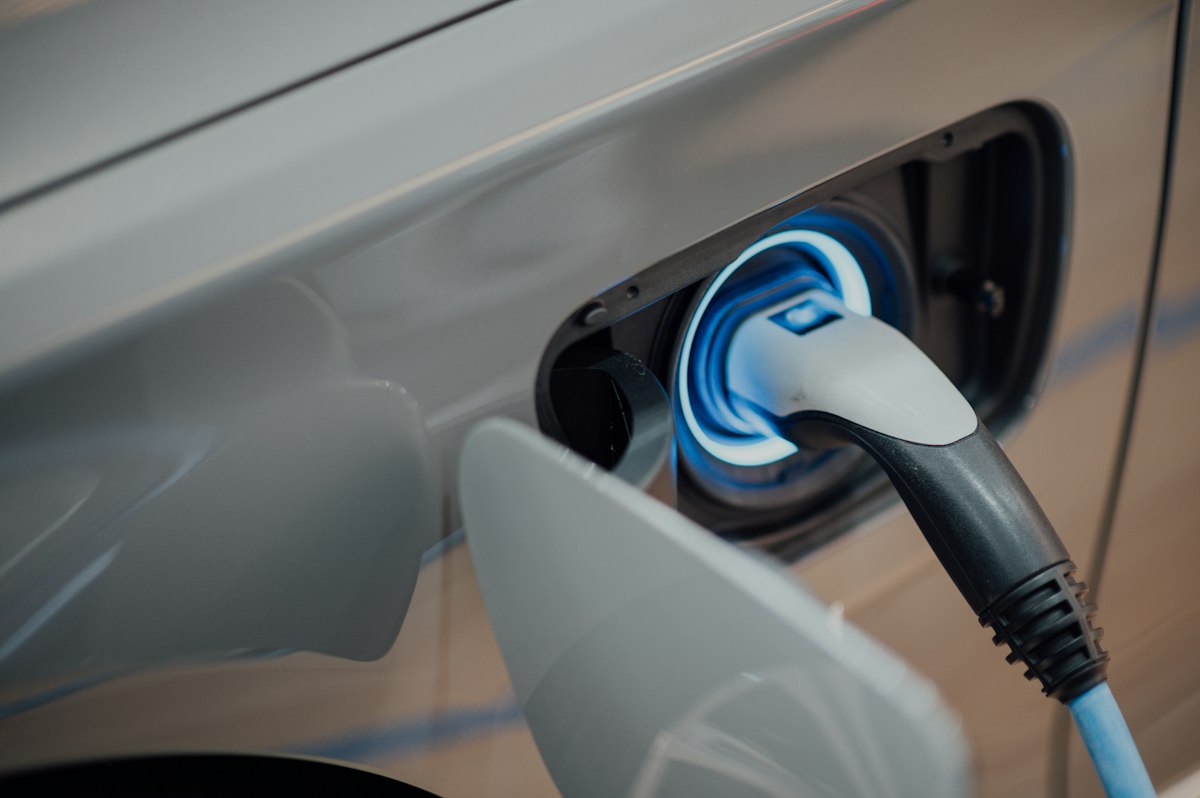
For most Australian homes, a 7 kW single-phase wall charger with a Type 2 socket or tethered cable is all you need. Choose a solar-aware charger if you have rooftop solar. Budget roughly $1,100 to $4,000 installed, including $600 to $2,500 for the charger and $500 to $1,500 for installation (NRMA, July 2026).
A standard 10 A power point adds about 13 to 22 km of range per hour, so a night's charge covers 130 km or more. A 7 kW wall charger adds 38 to 45 km per hour (NRMA). The average Australian drives under 40 km a day, so many people manage on a power point. A wall charger makes sense if you drive long distances daily, have two EVs, or want to charge from solar.
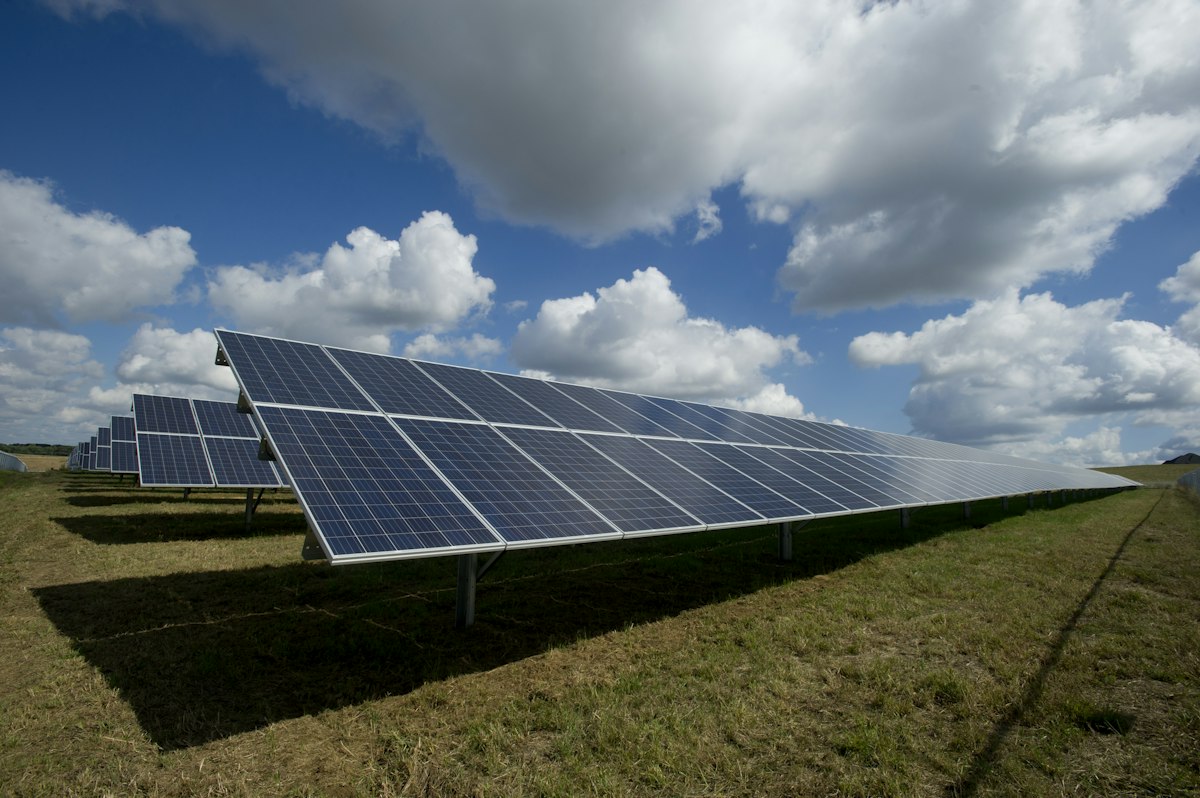
The Zappi's Eco and Eco+ modes charge the car only from surplus solar, or from a solar and grid mix. That turns exported solar worth a few cents into fuel worth 30c/kWh or more. It's up to 7.4 kW on single phase, socketed or tethered, and it integrates with myenergi's hot water diverter. If most of your charging will happen during the day, this is the one to beat. See our Zappi vs Tesla vs ChargePoint comparison.
Fronius is one of the most common inverter brands on Australian roofs, and the Wattpilot talks to it directly to charge from surplus solar. It also comes in a portable version that plugs into a three-phase outlet.
A well-priced, reliable unit with a tethered Type 2 cable that works with any EV, not only Teslas. It has no built-in solar diversion. Tesla owners can get solar-aware charging through the Tesla app with a Powerwall, or with third-party tools.
Small, app-controlled and with scheduling built in. Solar diversion needs Wallbox's separate energy meter. A good choice for a tidy install in a tight garage.
Full cost breakdown: EV charger installation cost in Australia.
Yes. Teslas sold in Australia use the Type 2 connector for AC charging.
A hardwired charger can be removed and reinstalled by an electrician. Budget for a new installation at the new home.
Few in 2026. Some earlier state charger subsidies have ended. The bigger saving is the novated-lease FBT exemption, in full until 31 March 2027, and many lease providers can include the charger in the lease.
Checked November 2026.
Tesla vs BYD compared at the brand level — battery technology, charging network, software, price and resale v…
Not everyone is ready to go full electric. Hybrids and plug-in hybrids offer a transition path. But are they …
Every EV needs a home charger. The Zappi is built for solar homes. The Tesla Wall Connector is the obvious Te…